Germany offers an incredible diversity of cities, each with its own unique character and attractions.
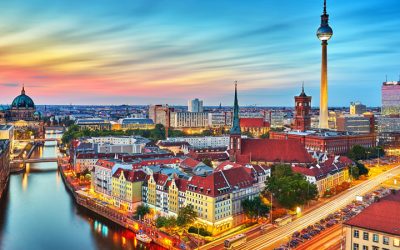
Berlin
Germany’s capital — a hub of history, art, and nightlife. Visit the Brandenburg Gate, East Side Gallery, and Museum Island.
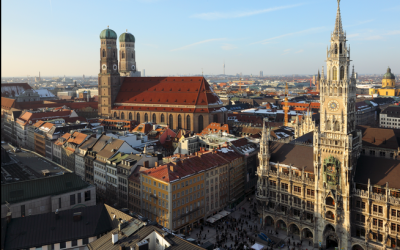
Munich
Gateway to the Alps and home of Oktoberfest. Explore Marienplatz, English Garden, and world-class beer halls.
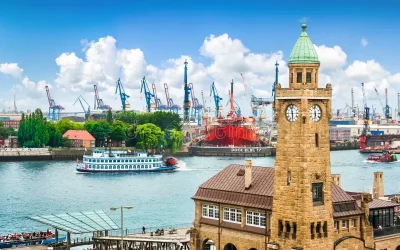
Hamburg
A vibrant port city with stunning warehouse districts, the Elbphilharmonie, and the famous Reeperbahn.
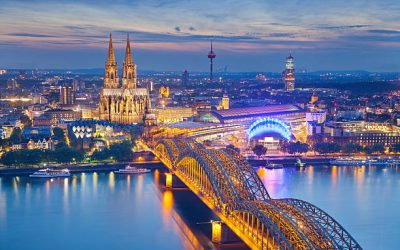
Cologne
Famous for its towering Gothic cathedral, Rhine river cruises, and lively carnival celebrations.
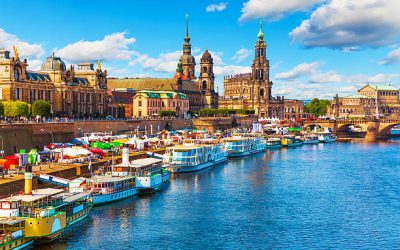
Dresden
The ‘Florence on the Elbe’ — baroque architecture, the Zwinger Palace, and the restored Frauenkirche.
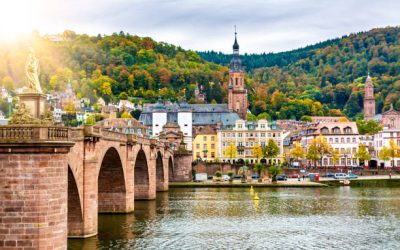
Heidelberg
A romantic university town with a hilltop castle ruin, charming old town, and scenic Neckar River views.
Culture & History
Germany's rich cultural heritage spans millennia — from Roman ruins to cutting-edge contemporary art.
Castles & Palaces
Over 25,000 castles dot the landscape, from Neuschwanstein to Sanssouci. Germany’s castle trail is one of the oldest tourist routes in the world.
World-Class Museums
Over 25,000 castles dot the landscape, from Neuschwanstein to Sanssouci. Germany’s castle trail is one of the oldest tourist routes in the world.
Oktoberfest
Over 25,000 castles dot the landscape, from Neuschwanstein to Sanssouci. Germany’s castle trail is one of the oldest tourist routes in the world.
Christmas Markets
Over 25,000 castles dot the landscape, from Neuschwanstein to Sanssouci. Germany’s castle trail is one of the oldest tourist routes in the world.
Travel Tips
Essential information to help you plan a smooth and enjoyable trip to Germany.
Best Time to Visit
May–September for warm weather; December for Christmas markets. Shoulder seasons (April, October) offer fewer crowds and pleasant temperatures.
Getting Around
Germany’s Deutsche Bahn rail network is excellent. Consider a German Rail Pass for multi-city trips. Cities have efficient U-Bahn and tram systems.
Currency
Euro (€) is the currency. Cards are widely accepted, but always carry some cash — many smaller shops and restaurants are cash-only.
Language
German is the official language. English is widely spoken in cities and tourist areas. Helpful phrases: ‘Danke’ (thanks), ‘Bitte’ (please), ‘Prost’ (cheers).
Weather
Summers average 20–25°C, winters 0–5°C. Pack layers and a rain jacket year-round. Southern regions are cooler due to altitude.
Safety
Germany is very safe for travelers. Standard precautions apply in crowded areas. Emergency number: 112 for fire/medical, 110 for police.
Frequently Asked Questions
Common questions answered to help you prepare for your German adventure.
Do I need a visa to visit Germany?
EU/EEA citizens don’t need a visa. Citizens of the US, Canada, Australia, and many other countries can visit visa-free for up to 90 days. Check with the German embassy for your specific nationality.
Is Germany expensive to visit?
Germany is moderately priced for Western Europe. Budget travelers can manage on €60–80/day, mid-range on €120–180/day. Munich and Frankfurt tend to be pricier than Berlin or Dresden.
What's the best way to travel between cities?
The ICE high-speed train network connects major cities quickly (Berlin to Munich in ~4 hours). Book early for the best fares on bahn.de. FlixBus offers cheaper but slower alternatives.
Is tap water safe to drink?
Yes, German tap water is excellent quality and perfectly safe to drink. In restaurants, ask for ‘Leitungswasser’ if you want free tap water.
Can I get by with English?
Yes, especially in larger cities, tourist areas, and among younger Germans. Learning a few basic German phrases is always appreciated and helpful in rural areas.
Plan Your Trip
Ready to explore Germany? Send us a message and we'll help you get started.